
Key Takeaways
- Music therapy uses listening, singing, movement, and instruments, guided by trained music therapists
- Familiar songs tied to personal moments can reach many areas of the brain
- Music can spark recollection, ease restlessness, and build connection when words fail
- Favorite songs, a calm space, and gentle movement can bring music into any day
- Memory care at All American Assisted Living at Londonderry weaves music into daily life
Why Music Matters for a Loved One with Memory Loss
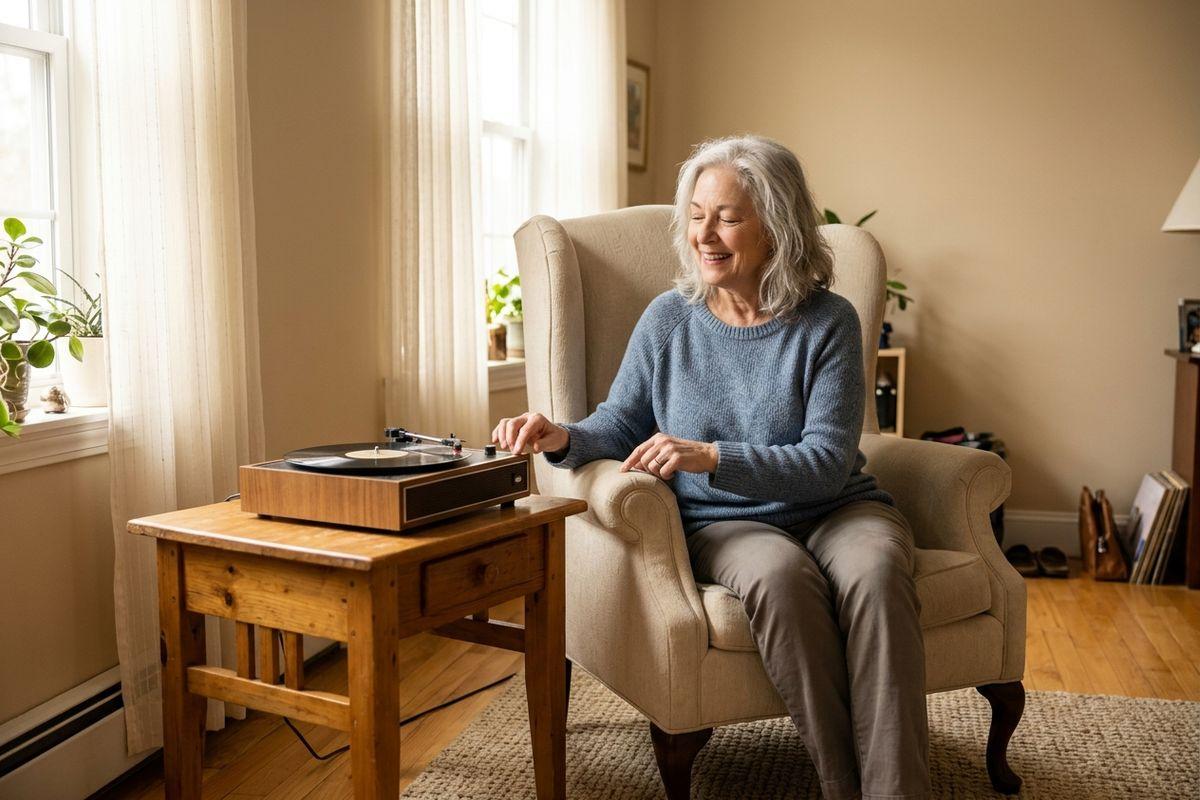
You put on an old record, and something shifts. Your mom’s fingers start tapping the arm of her chair. Your dad hums a line he hasn’t sung in years. Moments like this can feel small, but for families walking alongside memory loss, they mean everything.
Music therapy can support seniors with memory loss by sparking nostalgic recollection, easing restless moods, and creating connection when conversation becomes difficult.
The good news? You don’t need any special training to start sharing music with someone you love today. Our team at All American Assisted Living at Londonderry sees this every day, and engaging activities for seniors with dementia often begin with a single favorite song.
What Music Therapy Looks Like Day to Day
Music therapy isn’t a performance, and nobody has to sing well. Trained music therapists guide each session, choosing songs and activities that suit the person in front of them.
A session might include any of the following:
- Listening to familiar recordings together
- Singing or humming along to well-loved tunes
- Gentle movement, such as swaying or clapping
- Playing simple instruments like drums, shakers, or bells
Some sessions happen in a group, where residents share songs and laughter with neighbors. Others are quiet one-on-one time, which can suit someone who feels more at ease in a smaller setting. Both approaches have real value, and many people enjoy a mix.
Music therapy can help older adults express their creativity and connect with others. That’s why these sessions are offered alongside other sensory activities for people living with dementia.
Why Music Stays When Memories Fade
Families often ask the same question. How can someone forget what they ate for breakfast, yet sing every word of a song from 1968?
Part of the answer is that music reaches many areas of the brain at once. A song isn’t just sound. It’s tied to a first dance, a kitchen radio, a church pew, or a long drive with the windows down.
So when a familiar melody plays, it can arrive with the moment attached. That’s why a song your dad hasn’t heard in decades might bring a smile before he can explain why.
Learning more about how dementia changes thinking can help you understand which abilities often stay strong.
How Music Supports Seniors with Memory Loss
Memory and Recall
Familiar songs may spark recollection of a person’s life story. Your mother might mention her wedding day, a summer job, or a sibling she hasn’t spoken about in months. Those openings pair beautifully with questions to ask your family member that invite moments of connection.
Practicing an instrument has also been linked to gains in verbal memory. Even a few minutes with a hand drum or a keyboard can become a meaningful part of someone’s week.
Calmer Moods and Fewer Restless Moments
Late afternoons can bring restlessness for some individuals in the middle stages of dementia. Music may help ease agitation during these stretches of the day.
Soothing songs can set the mood before a meal, a bath, or bedtime. A slow, familiar tune playing softly in the background signals it’s time to settle, supporting the connection between sleep and memory.
Connection and Company
Group singing has been linked to less loneliness. Something about a room of voices on the same chorus pulls people together, even when names and dates slip away. That matters, since social isolation carries real health risks.
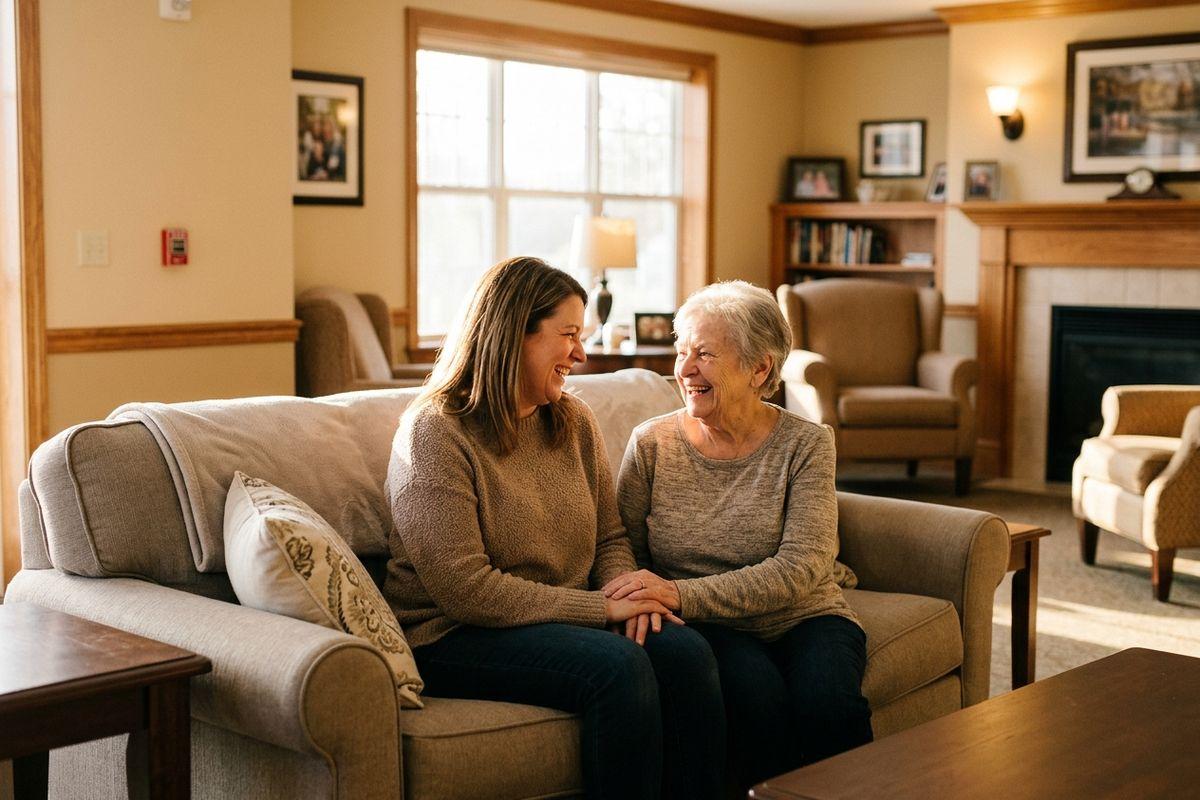
Music can help you connect when words get hard. You can sit shoulder to shoulder, hum the same melody, and share a moment that needs no conversation. For other moments, these tips on talking to someone with dementia can help.
Simple Ways to Bring Music Into Your Loved One’s Routine
Pick the Right Songs
Let your loved one choose favorites whenever possible. Watch their face as different songs play; a smile or a tapping foot says it all.
Avoid stations with commercial interruptions. A sudden ad break can pull someone out of a peaceful moment, so consider a saved playlist or a CD. Quiet days may also call for engaging audiobooks.
Set a Comfortable Space
Turn off the TV and close the door to reduce hallway noise. With fewer competing sounds, it’s easier to relax and enjoy the music.
Keep the volume low and comfortable. The goal is comfort, not intensity, so choose a level where you can still talk softly with each other. If some lyrics are difficult to follow, these tips for communicating with hearing loss may help.
Add Movement and Fun
Clap along to the beat, sway in your seats, or dance together in the living room. Movement adds joy and engages the whole body.
Try quiet, mindful listening: close your eyes and take in the song together. A shared sing-along works just as well on a livelier afternoon, or you can add some motivation to a creative crafting session.
How Memory Care at Londonderry Weaves Music Into Daily Life
At All American Assisted Living at Londonderry, music-based activities are part of our memory care program. Residents can join sing-alongs, listen to favorites, and enjoy sessions built around what they love.
Specially trained staff are on hand around the clock, so support is there whenever it’s needed. Assisted living and respite care options are also available if your family’s needs change.
A Warm Next Step for Your Family
Music can support memory, lift moods, and open the door to connection. That’s a lot of good from something as simple as a favorite song.
Start today with just one track your loved one adores, and see what happens. Then reach out to our friendly team at All American Assisted Living at Londonderry to book a tour and see how music fills the days in this senior living community.